You’re about to film. The light in the room is carving a hard shadow down one side of your face, your forehead is blowing out, and every bit of skin texture is showing. Ordering a light means the video doesn’t get made today.
Soft lighting is a five-second fix with a white t-shirt, a sheet of printer paper, or the wall behind you. It has nothing to do with what gear you own — it comes down to one rule about light that most creators have never been told.
Photographers and cinematographers define softness by one thing: the size of the light source relative to the subject, combined with distance. A large light source close to a subject produces soft, gradual shadow edges. A small light source far from a subject produces hard, sharply-defined shadow edges — even if it’s the exact same bulb. Move a bare lightbulb close enough and diffuse it with something wide, and it behaves like a softbox. Push a massive studio light far enough away, and it starts behaving like direct sun.
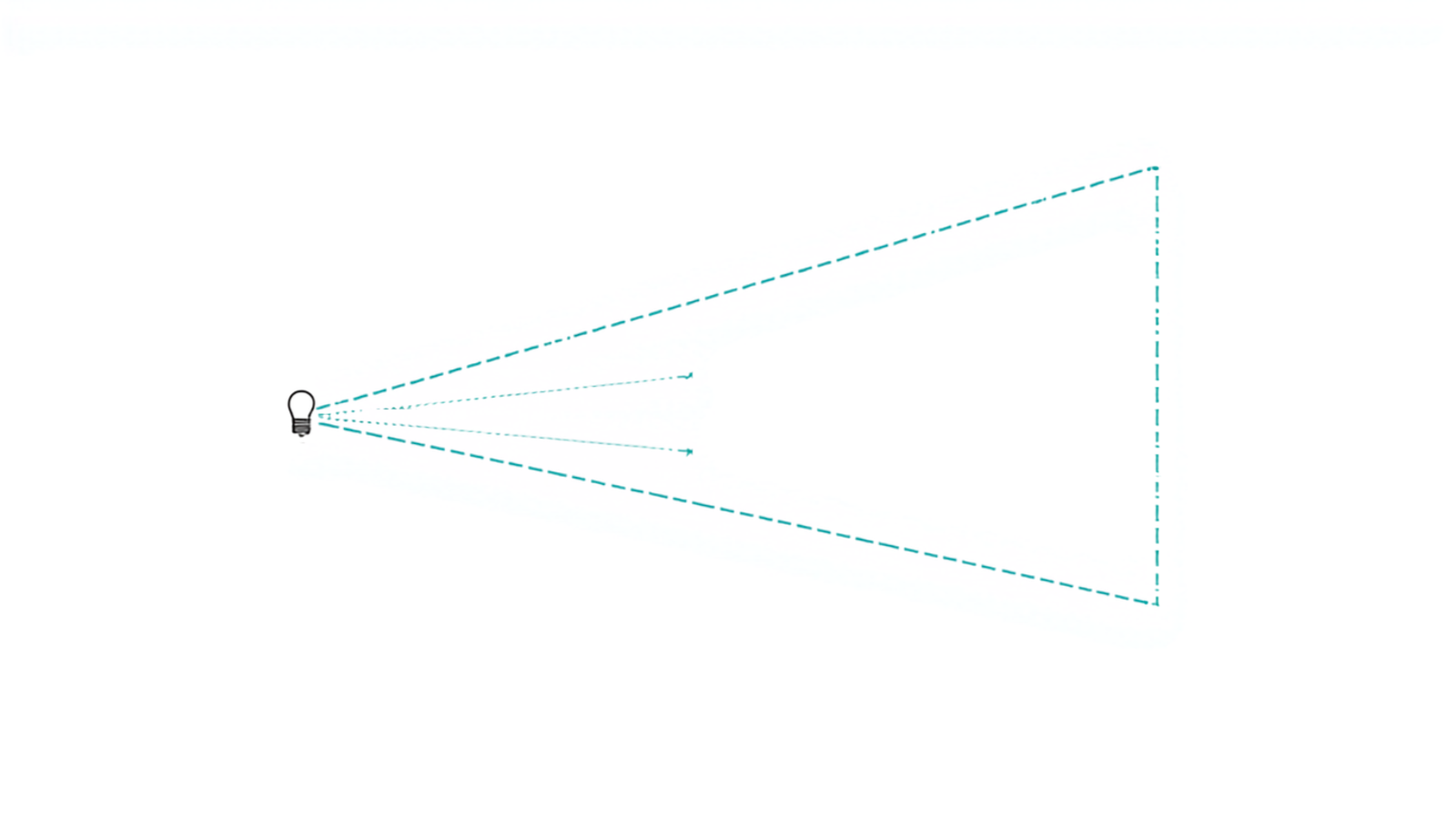
That’s the whole trick. Anything thin and white you put in front of a light makes that light physically bigger from the camera’s point of view, and bigger means softer. A $15 clip-on LED with a diffusion panel held close to your face can outperform a $300 light mounted six feet away. Size and distance set the softness. Wattage barely factors in.
A few terms worth knowing, because they explain why some fixes work and others don’t:
Once you know what’s actually happening, “soft lighting” stops being a mysterious aesthetic and becomes a size-and-distance problem you can solve with whatever is within arm’s reach.
Once you start noticing the difference, you’ll spot it everywhere — the creator whose face looks even and flattering filming next to an ordinary window, the product shot with zero harsh glare. Most people notice a setup like that once, scroll past, and can never find it again. Hookova fixes that part: save any video whose lighting looks right to you — straight from TikTok, Instagram, or YouTube Shorts — into your Hookova library in one click, and it builds into a growing, sorted reference of real setups you can actually go back and study.
Most short-form creators don’t need a lighting kit. They need the right answer for the situation they’re standing in right now.
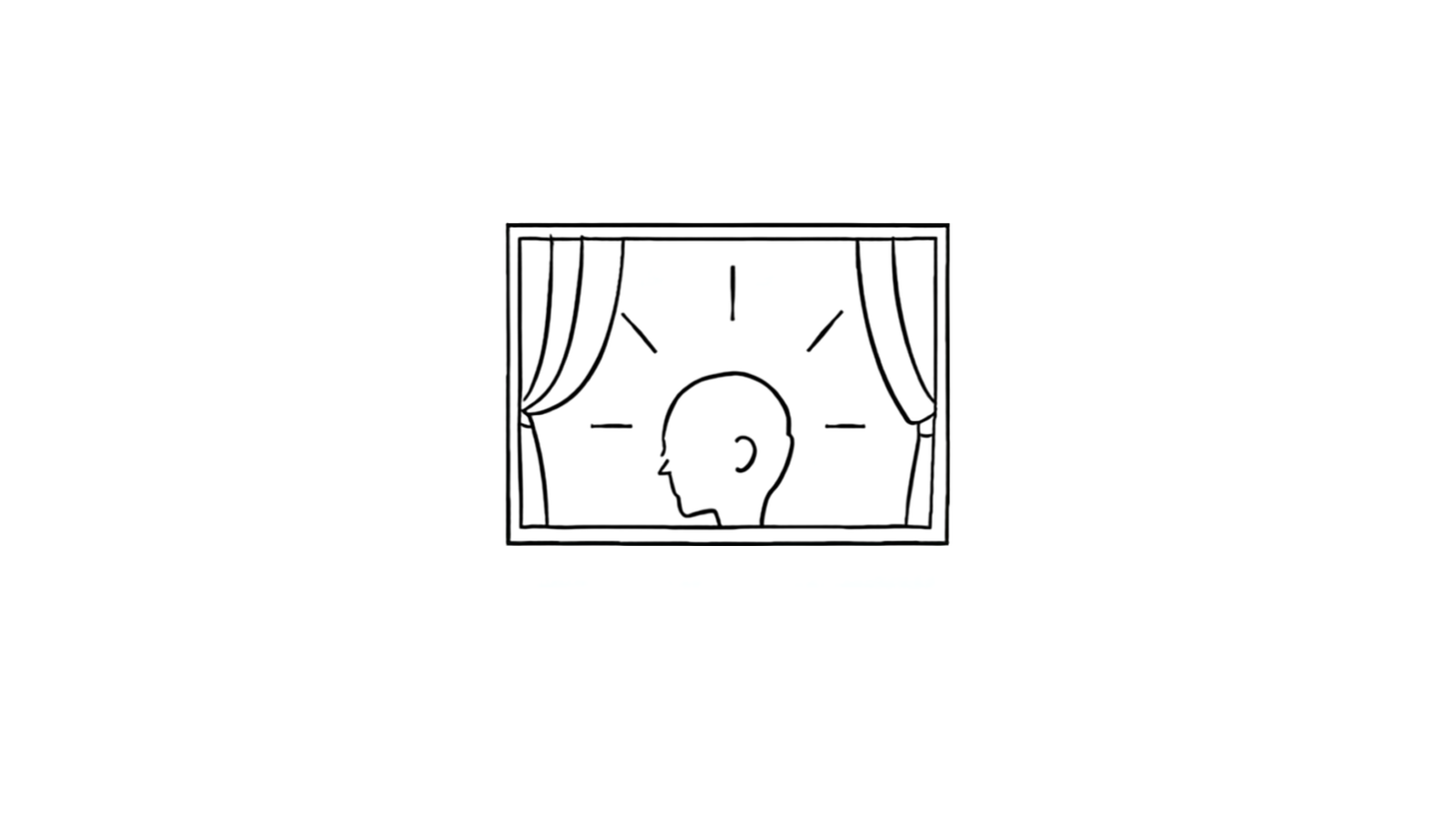
There’s a window in the room. This is the fastest and best-looking option available to almost anyone. Face the window head-on so the light comes straight at you; a window behind you or off at a sharp side angle brings the hard shadows right back. If direct sun is hitting the glass, hang a sheer curtain, a thin white bedsheet, or even a white shower curtain over it — that turns the entire window into a diffusion panel several feet wide, which is exactly the “large source” the rule above calls for. Nothing you can buy beats a diffused window for the money.
No usable window, and you’re filming in five minutes. Take whatever lamp you have, point it at your face from about 18 inches away, and put something thin and white between the bulb and you. A plain white t-shirt draped over a lampshade, a sheet of printer paper taped a few inches in front, baking parchment, a white pillowcase — all of these scatter the light. Keep the material a few inches off a hot bulb.
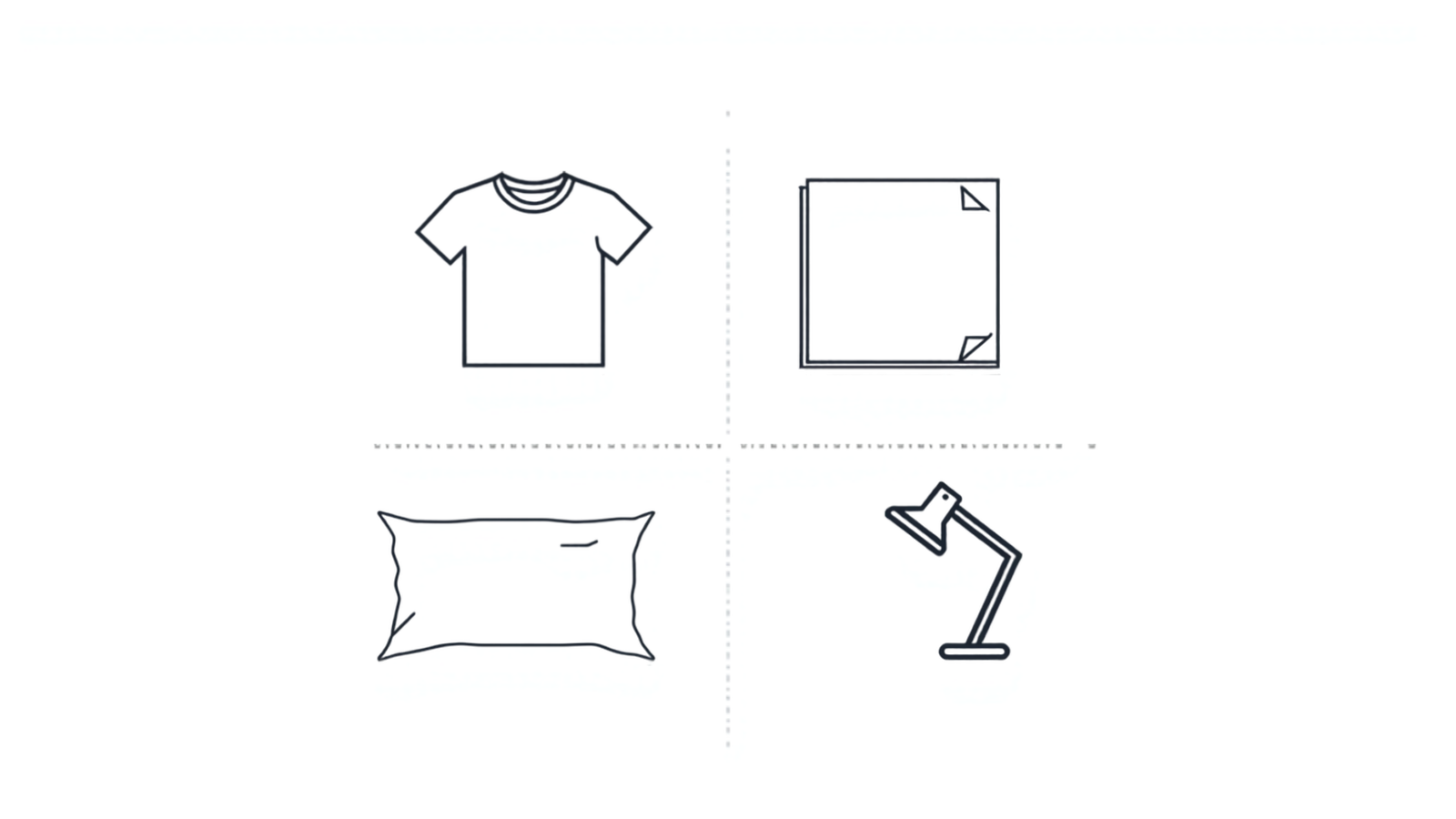
You and a friend decide to shoot something right now, no gear in sight. Skip modifying the light and bounce it instead. Turn so you’re facing a white wall or pale ceiling and let the light hit that surface first, or have your friend hold a white bedsheet, a piece of foam board, or even a light-colored towel just off-camera to catch and throw light back at your face. A reflected source is soft by nature — the wall becomes the big light.
You film alone, in the same spot, most days. At this point buy the one thing worth buying: a clip-on diffusion sheet, around $10–15. Clip it over whatever light you already aim at your face — desk lamp, cheap LED clip light, phone flashlight propped against a mug. One purchase, permanently solved, no rebuilding the setup every time you sit down.
Does natural light count as soft light?
Yes, as long as it’s indirect. Direct sun through a window is hard light; the same window on an overcast day, or with a sheer curtain diffusing it, is soft.
How far should my light be from my face?
Close enough that it still looks large relative to your face — usually 12 to 30 inches depending on the light’s physical size. Small lights need to be closer; larger panels can sit further back.
Can I fix hard lighting in editing?
Partially. You can lift shadows and reduce contrast, but editing can’t recover blown-out highlights or add detail that harsh light erased. Getting the light right on set saves far more time than fixing it after. What the edit does control well is the grade — low contrast covers which look to push toward once the light is right.
Do I need a ring light?
No. Ring lights are a small, fixed-distance source, which limits how soft they actually get. A larger LED panel with proper diffusion, positioned closer, usually looks more natural.
What’s the cheapest way to get soft light today?
A window with indirect light, or a direct window diffused with a sheer curtain or thin white sheet. Both cost nothing and outperform most budget ring lights.
Lighting decides whether a strong hook even reads clearly in the first frame — a great opening line filmed in harsh, uneven light still looks amateur before anyone processes what you said. Hookova breaks down what’s actually working in a video second by second, lighting included, so you can see whether your setup is helping your hook land or working against it. See the full range of hook types it recognizes in the video hooks guide.
 Hookova