Most creators think they have a skit-ideas problem. They don’t. The list of skit ideas that could work is basically endless — roommates, coworkers, group chats, a bad restaurant order. The actual problem is what happens in the first two seconds of the video: someone gasps, throws their hands up, or yells the setup at full volume, because that’s what “hook harder” advice tells them to do.
That worked for about two years. It doesn’t anymore. Audiences have seen the exaggerated cold open enough times that it now reads as amateur — a tell that the creator is compensating for weak staging with volume. The short-form dramas actually breaking through right now are doing something closer to real film production: they build tension through blocking before anyone raises their voice.
Every platform’s skit format converged on the same crutch: open mid-conflict, react big, let the caption explain the rest. It’s not wrong advice — starting at the conflict is still correct — but “big reaction” became a substitute for actual staging. The result is a first frame that reads as performance — the viewer clocks that someone is acting, not that something is actually happening — in under a second, even if they can’t say exactly why.
Professional short-drama production (the studios now shooting vertical micro-dramas at real budget and pace) doesn’t rely on volume to create tension in frame one. It relies on blocking — where the actors stand relative to each other and the camera — to do that work silently.
Most of the skits above start as something else first: a video you scrolled past that made you stop, screenshot, or save. The problem is that moment usually gets buried in your camera roll within a day and never turns into anything. Hookova now saves that step — one click from TikTok, Instagram, or YouTube Shorts pulls a video straight into your Hookova library, where it’s sorted automatically by hook type and pacing, so every clip that stopped your scroll becomes a saved reference you can run through the full breakdown later and rebuild shot for shot, instead of a video you half-remember.
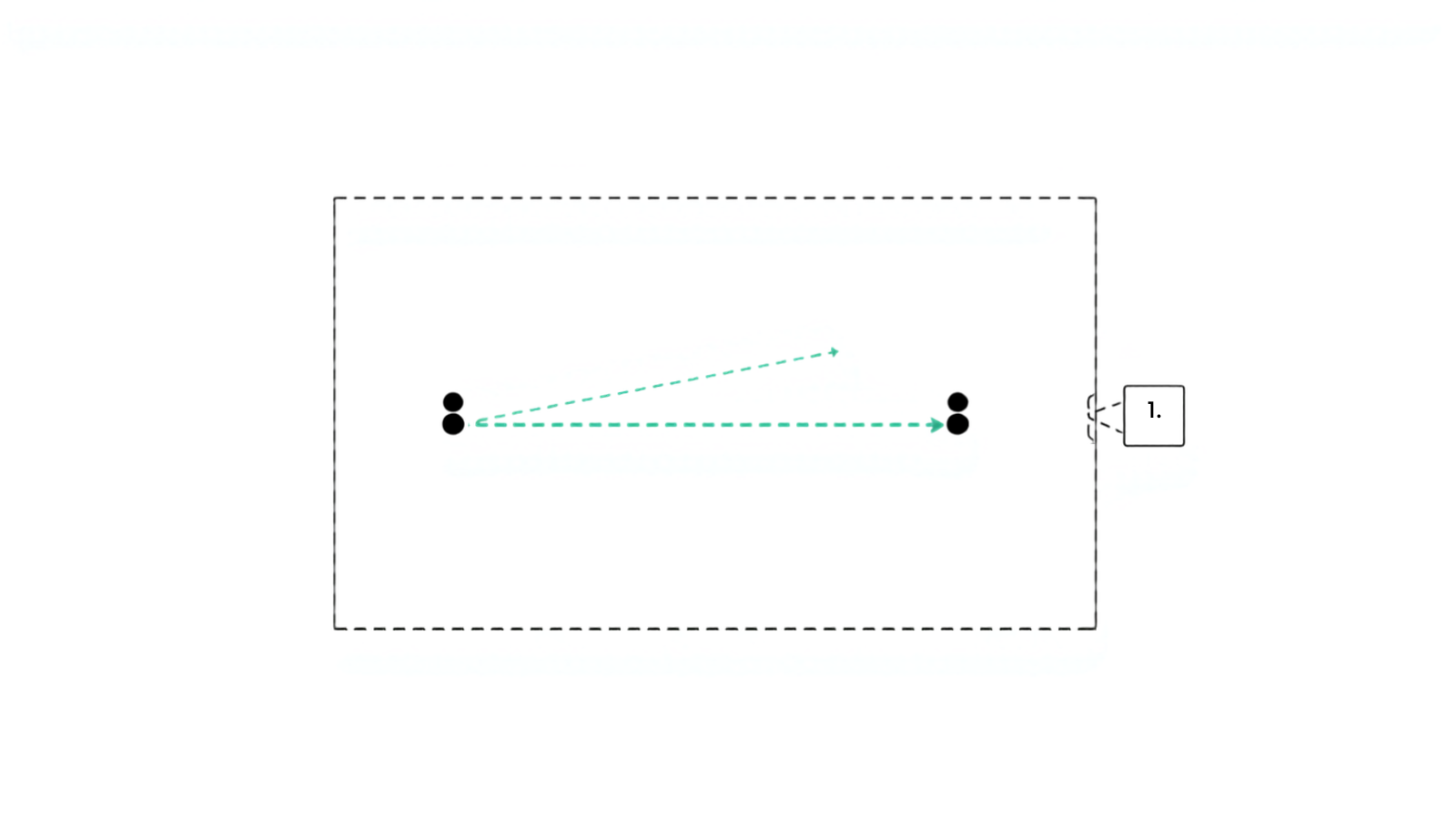
A few concepts borrowed straight from film and TV production, applied to a 20-second skit:
None of this requires better acting talent. It requires deciding, before you hit record, where people stand and what the camera sees first — a directing decision made in advance, on paper or in your head, rather than found in the moment.
The idea still matters — it just needs staging to land:
Each of these works with flat, quiet delivery. A flat reaction often lands harder than an exaggerated one — it forces the viewer to lean in and decide for themselves how to feel about what they just watched.
Do skit ideas need dialogue to work?
No. Several of the strongest formats above rely on blocking and a single reaction shot, with little or no dialogue in the opening beat.
Is a quiet opening riskier than a loud one on TikTok or Reels?
It can be slower to test, but it holds up better on rewatch — loud cold opens fatigue faster because the format is now common. A well-blocked quiet opening still reads as intentional the fifth time someone sees the format.
Where do blocking and proxemics come from?
Both are standard film and theater staging concepts, used to build tension through where actors stand and move. They apply directly to a 20-second vertical video with no extra equipment required.
Do I need a script, or can this be improvised?
Blocking can be planned even for an improvised skit — deciding where people stand and when the camera cuts takes five minutes before filming and doesn’t require writing dialogue in advance.
Once a skit is shot, the harder part is knowing whether the opening beat actually reads as tension or just looks like two people standing around. Hookova breaks a finished cut down second by second — including the opening frame — so you can see whether the staging is doing its job before you post. See the full range of hook types it recognizes in the video hooks guide.
 Hookova